


Amsterdam's Floating Flower Market: A must see in Amsterdam

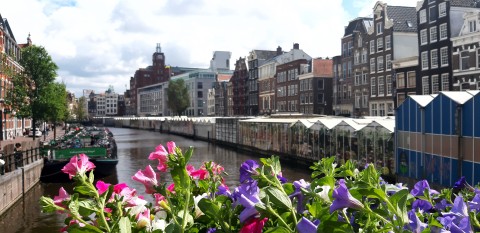
Amsterdam, known for its picturesque canals and vibrant culture, is also home to one of the most unique attractions in the world: the Floating Flower Market (Bloemenmarkt). Situated on the Singel Canal, this historic market is a must-visit for anyone enchanted by the beauty and fragrance of flowers.
Flower Market History
The Flower Market in Amsterdam, known as the Bloemenmarkt, is a vibrant and historically significant part of the city's cultural landscape. Established in 1862, this market is uniquely situated on floating barges along the Singel Canal, a historic waterway that dates back to the late Middle Ages. The Singel Canal once served as the outer moat of Amsterdam until the city's expansion in the 17th century, and today it forms the boundary of the central canal belt, a UNESCO World Heritage site.
The market's roots can be traced back to Amsterdam's flourishing trade during the Dutch Golden Age in the 17th century. This era marked the Netherlands as a global maritime power, with Amsterdam as its thriving hub of commerce. Among the most famous commodities traded during this period were tulips, which became a symbol of wealth and status in what is known as "Tulip Mania." At its peak in the 1630s, single tulip bulbs were sold for prices that could exceed the cost of an Amsterdam canal house. Although Tulip Mania eventually collapsed, it left a lasting legacy in Dutch culture and firmly established the country as a leader in horticulture.
By the 19th century, as Amsterdam continued to grow, the need for a central flower market became apparent. The Bloemenmarkt was originally designed to cater to the burgeoning demand for flowers among Amsterdam's citizens. Traders would bring their goods by boat directly to the market, taking advantage of the city's extensive canal network. The decision to establish the market on barges was both practical and symbolic, reflecting Amsterdam's deep connection to its waterways.
Over time, the Bloemenmarkt evolved from a wholesale market into a beloved tourist attraction. While it still offers a vast array of fresh flowers, including the ever-popular tulips, the market today is also known for selling a wide variety of plants, bulbs, seeds, and souvenirs. The market is especially popular during the spring, when tulips and other seasonal flowers bloom in full splendor, attracting visitors from around the world.
Despite the changes in Amsterdam's urban landscape, the Bloemenmarkt has managed to retain its historical charm. The floating stalls serve as a reminder of the city's rich trading history and its enduring connection to the natural beauty of flowers. It is the world's only floating flower market, and its unique character has made it one of Amsterdam's most iconic sights.
In addition to its aesthetic appeal, the Bloemenmarkt also serves as a gateway to Dutch horticultural heritage. Many of the bulbs sold at the market are cultivated in the famous flower-growing regions surrounding Amsterdam, such as the Bollenstreek, known for its vast tulip fields. Visitors to the market can purchase bulbs to plant at home, creating a lasting connection to the Netherlands' floral legacy.
The Bloemenmarkt remains an enduring symbol of Amsterdam's vibrant culture and historical significance. It is a place where history, commerce, and nature converge, offering a colorful and fragrant experience that continues to captivate both locals and tourists alike. Whether you're a gardening enthusiast, a history buff, or simply a lover of beauty, the Bloemenmarkt provides a unique window into the heart of Amsterdam's cultural and botanical traditions.
What to Expect
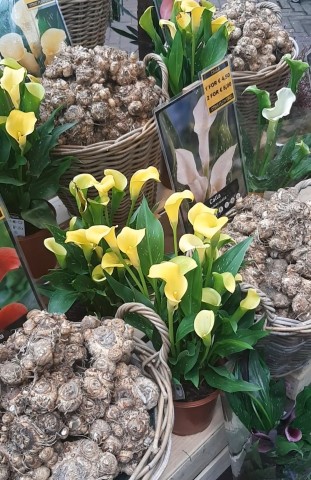
As you approach the market, you’ll be greeted by a dazzling array of colors. The market consists of a series of houseboats turned into vibrant flower stalls, each brimming with an incredible variety of bulbs. From classic tulips and roses to exotic orchids and rare bulbs, there’s something for every flower enthusiast.
Beyond Flowers
While flowers are the star attraction, the market offers much more. You’ll find a range of gardening supplies, souvenirs, and unique Dutch gifts. Many stalls sell bulbs that are specially prepared for export, allowing visitors to take a piece of Amsterdam’s floral beauty back home.
Seasonal Highlights
The market’s offerings change with the seasons, ensuring a fresh experience year-round. Spring is particularly spectacular, with tulips and daffodils in full bloom, but the market also showcases stunning poinsettias and evergreens during the winter months.
Tips for Visiting
Timing Your Visit
The Floating Flower Market is open year-round, from Monday to Saturday, 9 a.m. to 5:30 p.m., and on Sunday from 11 a.m. to 5:30 p.m. To avoid the crowds, consider visiting early in the morning or later in the afternoon.
Best Buys
For those looking to purchase bulbs or seeds, the market is a treasure trove. Be sure to check if the bulbs are labeled for export if you plan to take them home. The market also offers beautifully crafted flower arrangements, perfect for gifting or as a treat for yourself.
Accessibility
The market is located in the heart of Amsterdam and is easily accessible by foot, bike, or public transport. The area around the market is relatively flat, making it wheelchair-friendly. However, be mindful that the market can get quite crowded, especially during peak tourist seasons and that not every shops in wheelchair friendly.


Comments